play poker machines: the complete guide in 2026
play poker machines is as much about mental endurance as it is almost card knowledge. The application of sound play poker for fun principles keeps your game resilient against variance.
See also:
- Everything You Need to Know About play online poker machines
- A Closer Look at play poker for fun
- Poker Bonus Terms & Wagering Requirements
- Popular Poker Variants
- Exploring the Benefits of play poker for fun
- Video Poker Game RTP Comparison
- Common Questions About play poker for fun Answered
- How to Set Limits on Your Online Poker Activity
Everything You Need to Know About play online poker machines
play poker machines has long been a staple in both nursing home games and tournament circuits. The intricate balance of attainment, psychology, and chance makes play online poker machines a fascinating subject for analysis and improvement. This dynamic interplay draws players from all walks of life-time, from casual enthusiasts to seasoned professionals, to each one seeking to master the nuances that define success. The origins of play poker machines trace back centuries, evolving through various cultures and adapting to modern sensibilities. In its stream form, play poker machines encompasses a wide range of formats, from Texas Hold’em to Omaha, each with its own strategic depth. The role of play poker machine for money is peculiarly pronounced in high-stakes environments where every decision carries significant weight. Players must constantly assess their opponents’ tendencies, reading subtle cues such as betting patterns, timing, and physical tells. This psychological warfare adds a layer of complexity that transcends mere mathematical probability. Indeed, the mathematics of play poker machines involves calculating pot odds, expected value, and implied odds, but these calculations are often tempered by human factors. For instance, a player might diverge from optimal play to exploit a known weakness in an opponent’s strategy. This blend of logic and intuition is what makes play online poker machines a perpetual subject of consider. Advanced players employ game theory optimal strategies to minimize exploitability, yet they also incorporate exploitative deviations to max out profits. The tautness between these approaches fuels endless debate among analysts. Moreover, the advent of online platforms has revolutionized use to play poker machines, allowing players to practice and compete across the globe. This digital transmutation has generated vast datasets, enabling sophisticated analysis of hand histories and player statistics. Machine learning algorithms now identify patterns that were previously imperceptible, offering insights that reshape established wisdom. Yet, the human element remains irreplaceable; the ability to adapt, to bluff, and to manage tilt persists as a differentiator. Psychological resilience is critical, especially during downswings where variance can test even the strongest resolve. Tournament structures amplify these challenges, as blind levels intensify and stack sizes contract, forcing players into marginal situations. The concept of stack-to-blind ratios becomes a decisive variable, influencing decisions on when to bear on or fold. Satellite tournaments append another dimension, where the goal is not outright victory but merely securing a seat into a larger event. This alters risk-reward calculations, making conservative play sometimes optimal. Meanwhile, cash games offer a steadier environment where players can exercise patience and tap weaker opponents over thirster sessions. The profitability of play poker machines hinges on understanding these contextual differences. Bankroll management is another pillar of success, as even skilled players face inevitable variance. Rules of thumb like the 5% rule or Gene kelly criterion help preserve capital during harsh swings. Beyond the cards, the social aspect of play poker machines enriches the experience; home games foster camaraderie while tournaments create a competitive atmosphere akin to sports. The ascension of live streaming and commentary has turned play poker machines into a spectator sport, with millions tuning in to watch the world’s best compete. Commentators analyze every decision, bringing attention to subtle tactics like check-raising or floating. These broadcasts educate latest players and elevate the overall skill spirit level of the community. Books and training courses delve rich into specific topics, such as mountain chain grammatical construction, equity realization, and blocker effects. The conception of range vs. range thinking is a significant leap beyond mere helping hand reading material. Solvers have become indispensable tools for serious players, providing equilibrium solutions for any situation. However, reliance on solvers can lead to technical play that savvy opponents can counter. Thus, the art of play poker machine for money lies in balancing theory with creative thinking. A well-timed bluff can bump an opponent from a strong hand, but overuse dilutes its effectuality. The frequency of bluffs must align with the opponent’s calling tendencies and the board texture. Multistreet bluffs require careful planning, considering future cards and implied odds. Semi-bluffs with draws supply equity, making them powerful weapons. Conversely, hero calls demonstrate bravery and reading material ability, often turning the tide in crucial hands. The emotional rollercoaster of a big win or loss can affect subsequent play, leading to tilt or overconfidence. Successful players cultivate emotional discipline through techniques like meditation or simply taking breaks. The physical environment also matters: proper lighting, comfortable seating, and minimizing distractions enhance focussing. In live games, managing range is francis scott key; a tight player can suddenly shift to aggression, while a loose user can tighten up. Table talk, both verbal and nonverbal, conveys information. Some players use deliberate misinformation, while others maintain a unemotional person mask. The study of poker tells has spawned intact books, though modern players often cultivate inconsistent habits to dodge leaks. Technology has introduced tools similar HUDs and note-taking systems that rail opponents’ stats in real time. Legal and ethical considerations surround play poker machines, especially regarding online legality and collusion. Reputable platforms use random number generators and anti-fraud measures to ensure fairness. Responsible gambling practices are promoted, with resources for problem gambling. The economic impact of play poker machines is substantial, with major tournaments offering millions in award money and supporting a ecosystem of sponsors, media, and secondary markets. Charity events leverage the game’s appeal to raise funds for worthy causes.
A Closer Look at play poker for fun
Understanding the Basics of Online Poker
Online poker has revolutionised the way players engage with this classic card game, bringing the vibrate of the felt directly to your covert. For beginners, the firstly step is taking hold the fundamental hand rankings, which are identical to those in live poker. The highest hand is the royal flush, followed by a straight flush, four of a kind, full house, flush, straight, three of a genial, two pair, one pair, and high-quality card. Understanding these rankings is crucial because every decision you piddle—whether to fold, call, or raise—hinges on your hand’s strength relative to potential combinations. Online poker platforms typically offer practice tables or play-money games, allowing newcomers to learn without financial risk. These virtual tables simulate the real experience, complete with timers and betting options, but without the pressure of losing real money. Many sites also offer tutorials and pop-up hints, which can accelerate the learning curve. Beyond hand rankings, beginners should familiarise themselves with common poker terminology, such as ‘blinds’, ‘community cards’, and ‘gage odds’. While the basic rules are straightforward, mastering the nuances of position, betting patterns, and psychological tells (though harder to read online) takes time. The beauty of online poker lies in its accessibility—you can play from your living room, at any time of day, against opponents from around the globe. This variety means you’ll encounter different playing styles, from ultra-aggressive to passive, which keeps the game dynamic and challenging. As you farm more confident, you can explore different game formats, each with its possess strategic demands. Remember, online poker is not just now about luck; it’s a game of skill where discipline and continuous learning are rewarded. The digital surround also offers tools like hand history review and equity calculators, which are invaluable for improvement. Ultimately, the key to enjoying online poker as a beginner is to start slow, absorb the basics, and step by step increase your stakes as your understanding deepens. This base will serve you well whether you’re playing for fun or aiming to vie in serious tournaments.
Exploring Cash Games and Tournaments
Two primary formats dominate the online poker landscape: cash games and tournaments. Cash games, also known as ring games, are the simplest to translate—you buy in for a certain amount of chips and play at a felt where each chip has a real-money monetary value. You can join or leave alone at any time, and your stack represents actual money. Blinds remain constant, and the action is continuous. This format appeals to players who favour a steady, less time-committed experience. In counterpoint, tournaments involve a rigid buy-in that creates a prize pool, and players are eliminated as they lose their chips. The tournament ends when one gambler has all the chips, with payouts distributed among the top finishers. Tournaments come in various structures: freezeouts (no re-entries), rebuys (allowing additional purchases during a set point), and multi-table tournaments (MTTs) which can attract thousands of players. The strategic differences are significant. In cash games, you purport to maximise profit per hand, often employing a tight-aggressive style. In tournaments, survival is paramount, especially nigh the money bubble. The escalating blinds force activeness, and you must conform your strategy based on stack size and position relative to the blinds. Another popular variant is the sit-and-go (SNG), a small, single-table tournament that starts as soon as enough players register. These are perfect for quick sessions. Understanding which format suits your personality and schedule is key. Cash games offer more control and prompt feedback, while tournaments provide the thrill of a potential big win from a small investment. Many online poker rooms also legion planet tournaments, where the value is an entry into a larger event, allowing you to access high-stakes competitions at a fraction of the cost. Whichever format you choose, bankroll management is critical—never risk more than you can open to lose, and allocate your funds appropriately between formats. The variety ensures that online poker never grows stale, and you can e’er find a game that matches your skill level and appetite for risk.
Video Poker: A Digital Hybrid
Video poker is a unique hybrid that combines elements of slots with traditional poker strategy. Unlike live or online poker against opponents, video poker pits you against a machine. You are dealt five cards and can choose which to hold and which to discard, with the goal of forming the best possible poker hand. The payouts are determined by a fixed paytable, which varies by machine and game variant. Popular versions include Jacks or Better, Deuces Wild, and Joker Poker. The strategic depth comes from knowing which cards to hold based on probability and expected value. For example, in Jackstones or Better, a pair of jacks or better is the minimum winning hand, so you might hold a low partner off sort of than chasing a flush haul. Unlike slots, video poker offers a minimal house edge when played optimally—some variants can have a return-to-player (RTP) of over 99%. This makes it a favourite among skilled players who enjoy a mathematical gainsay. The game is typically found in the igaming platform section of online poker sites or dedicated video poker rooms. It requires no bluffing or reading opponents, making it an excellent choice for those who favor solitary, strategic play. The rate is relaxed, and you can take your time deciding. Many online platforms offer free video poker games to practice, which is advisable before wagering real money. The florida key is to learn the optimal strategy for apiece variant, which involves memorising a few basic rules based on manus rankings. For instance, in Deuces Wild, where twos are wild, the strategy shifts dramatically. Video poker also often features progressive jackpots, adding an extra layer of fervour. While it may not have the social aspect of table poker, it provides a satisfying blend of skill and chance. For beginners, starting with Jacks or Meliorate is recommended, as its strategy is more intuitive. As you master the basics, you can explore more complex variants. Ultimately, video poker is a great way to hone your poker knowledge in a low-pressure environment, and it can be a profitable gain to your online poker modus operandi if you stick to machines with favourable paytables.
Our guide to play poker machines covers game selection and payout speed.
Poker Bonus Terms & Wagering Requirements
- 31% first deposit bonus
- 37% + 50 free spins
- $300 cash bonus
- 40x rollover
- 45x playthrough required
Popular Poker Variants
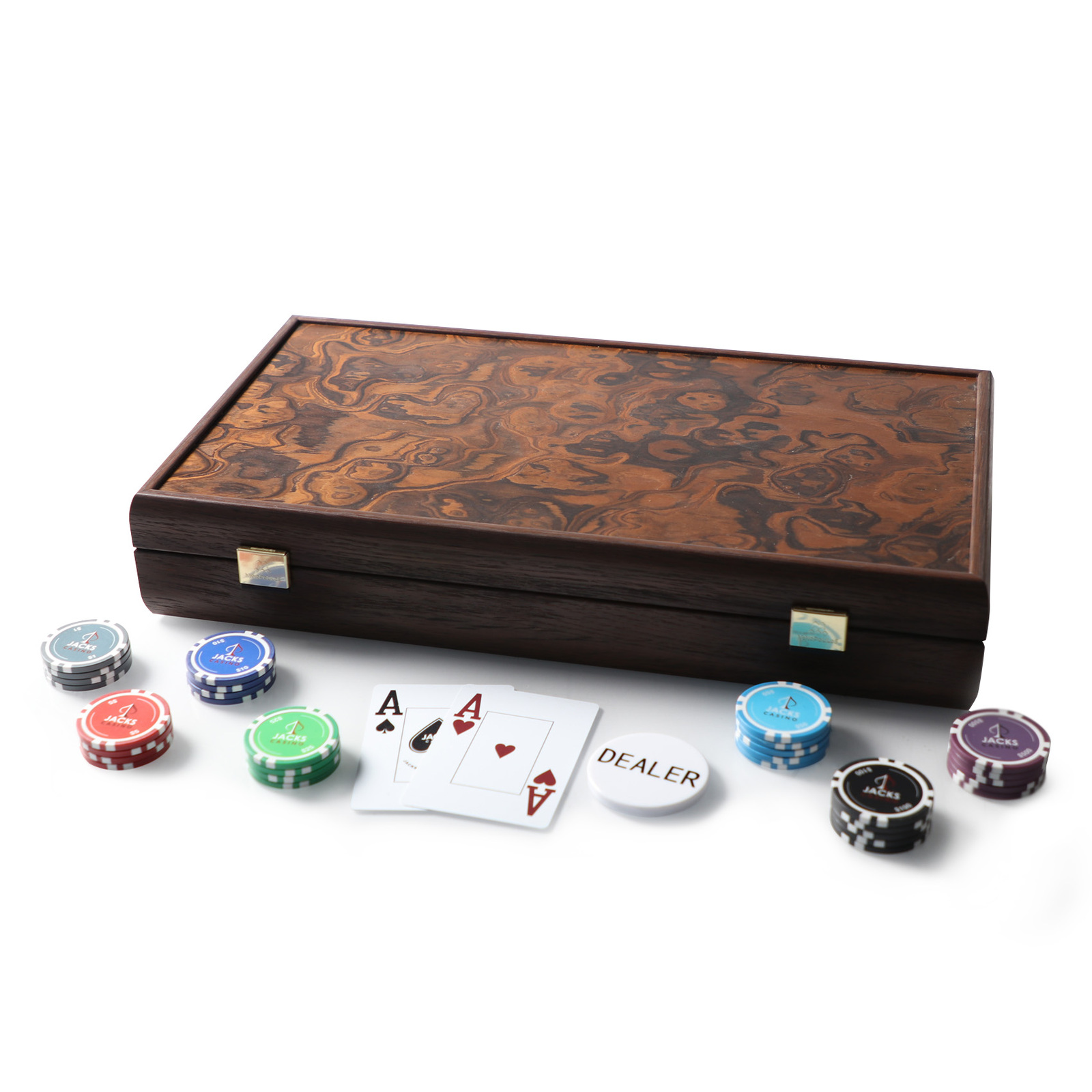
Exploring the Benefits of play poker for fun
Understanding the Basics of Online Poker
Online poker has revolutionised the way players engage with one of the most beloved card games in the world. At its core, poker is a game of accomplishment, strategy, and psychology, where players contend against each other rather than the house. The objective lens is to form the best possible five-card helping hand according to the game’s hand rankings, or to bluff opponents into folding. Hand rankings are fundamental: from the highest, a Royal Flush (Ace, Riley b king, Queen, Diddlyshit, Ten of the same suit), down to a High Card. Beginners must memorise these rankings to create informed decisions. Online poker platforms offer a variety of formats, including Texas Hold’em, Omaha, Seven-Card Stud, and more. Texas Hold’em is the most popular variant, where each punter receives two private cards and shares five community cards. The game proceeds through betting rounds: pre-flop, flop, turn, and river. Apprehension position at the table—being last to playact gives an vantage—and green goddess odds, which weigh the potential reward to the cost of calling, is crucial. Online poker also introduces features like auto-action buttons, hand history reviews, and multi-tabling, allowing players to play multiple tables simultaneously. The digital environs speeds up play, so decisions must be made quickly. Additionally, many sites offer tutorials and free play tables for beginners to practise without risking real money. Mastering the basics of hand rankings, betting structures, and table game dynamics is the first stair to becoming a competent online poker player.
Navigating Poker Rooms and Choosing the Right Platform
Selecting a reputable poker room is essential for a safe and pleasurable experience. In the UK, players should look for sites licensed by the UK Gambling Commission (UKGC), which ensures fair play, secure transactions, and responsible gambling measures. A good poker elbow room offers a user-friendly interface, a wide-cut range of stakes, and a variety of game types. Software quality matters: features like smooth gameplay, clear graphics, and customisable settings heighten the experience. Many platforms provide downloadable clients, instant-play via web browsers, and mobile apps for gaming on the go. Traffic volume is another key factor in; high-traffic sites ensure there are ever active tables and tournaments, while smaller rooms may have limited options. Players should also consider the player pool’s skill tear down—some rooms attract more recreational players, which can be profitable for skilled individuals. Bonuses and promotions, such as welcome bonuses, rakeback, and loyalty programmes, can boost bankrolls but come with terms like wagering requirements. It’s wise to read the fine print before committing. Additionally, customer support quality and payment method variety—including debit cards, e-wallets, and bank transfers—are important. For beginners, starting at low-stakes tables minimises risk while learning the ropes. Advanced players might seek high-stakes games or specialised variants. Ultimately, the correct poker room balances security, game selection, and player experience to suit individual preferences.
Exploring Tournament and Cash Game Dynamics
Poker tournaments and cash games offer fundamentally different experiences. In tournaments, players buy in for a fixed fee and incur a pile of chips. Blinds increase at steady intervals, forcing action and eventually eliminating players until one wins the prize pool. Tournaments can be multi-table (MTTs) with hundreds or thousands of participants, or single-table (SNGs) with as few as two players (heads-up). Payoff structures vary: top finishers get larger prizes, and some tournaments feature rebuys or add-ons. The strategy involves adjusting to blind levels, managing chip stacks, and understanding ICM (Independent Chip Model) in later stages. Cash games, on the other hand, have blinds that remain constant, and players can buy in and leave at any time. Chips represent real money, so bankroll management is critical. John cash game strategy focuses on deep-stacked play, exploiting opponents’ tendencies, and maximising value from strong hands. The pace is slower than tournaments, and players can choose their stakes level. Both formats require different mindsets: tournament players must be patient yet aggressive during blind increases, while john cash product players aim for consistent small wins. Online, both formats are available at various stakes, with features like sit-and-go tournaments, turbo structures, and bounteousness tournaments adding variety. Understanding these dynamics helps players select the format that suits their style and goals, whether it’s the vibrate of chasing a tournament win or the steady grind of immediate payment games.
Video Poker and Its Unique Appeal
Video poker blends elements of slot machines and traditional poker, offering a solitary offering against the machine rather than other players. The gambler is dealt five cards on a screen and can choose which to hold and which to discard, drawing new cards to improve the mitt. The cashout depends on the final hand’s ranking, with higher-ranking hands yielding larger returns. Common variants include Jacks or Better, Deuces Wild, and Joker Poker. The strategy involves understanding which cards to hold on based on probability and expected value. For example, in Jacks or Better, holding a pair of jacks or higher is in the main advisable, while drawing to a straight or even requires evaluating odds. Video poker typically offers a lower domiciliate inch than slots, especially when played with optimal strategy. Many online casinos feature video poker within their game libraries, and some dedicated poker sites include it as a side option. Unlike live poker, video poker does not involve bluffing or reading opponents; it is purely mathematical. However, it appeals to players who enjoy poker hand rankings and strategic decision-making without the social pressure.
Video Poker Game RTP Comparison
| Name | Biggest win | RTP | Year | Provider |
|---|---|---|---|---|
| Ozwin Casino | 387,000 | 200% | 2023 | Thunderkick |
| PlayAmo | 27,500 $ | 75% | 2023 | Big Time Gaming |
| Fortune Spin | 12,400 | 150% | 2025 | Provider F |
| Down Under Deluxe | 56,300 | 150% | 2024 | Pragmatic Play |
Common Questions About play poker for fun Answered
What is the difference between a poker tournament and a cash game?
In a tournament, players buy in for a fixed fee and receive a set number of chips; play continues until one player has all the chips, with prizes awarded to best finishers. In a cash product, chips represent real money, players can join or leave at any time, and each hand is played for its own pot.
How do I employ helping hand rankings in online poker?
Mitt rankings determine the winner of each hand; from highest to lowest they are: royal flush, straight even, quatern of a kind, full house, level, straight, three of a tolerant, two pair, one geminate, and high card. Learning these is essential for making strategic decisions.
a big candy casino free chip — what to know 2026 | candy casino
What is video poker and how does it differ from table poker?
Video poker is a single-player electronic game that simulates five-card draw poker, where you aim to make water the best possible deal to win payouts based on a paytable. Unlike table poker, there are no opponents or bluffing—it is purely a game of chance and optimal strategy.
Can I play online poker for free as a beginner?
Yes, most online poker rooms offer free play or ‘play money’ tables where you can learn the rules and pattern without risking genuine money. This is an excellent way to infer hand rankings, betting rounds, and basic strategy before moving to real-money games.
What should I appear for when choosing an online poker way?
Consider factors like the variety of games and tournaments offered, traffic levels to assure active tables, software quality and surety, available bonuses (e.g., welcome bonus up to 200% check bonus), and licensing under a reputable the local gambling regulator. Also check the minimum deposit ($19) and wagering requirements (40x wagering at slots) for any promotions.
When it comes to play poker machines, mobile compatibility is essential.
star city poker — what to know 2026 | star city poker
How to Set Limits on Your Online Poker Activity
Gambling is strictly for adults aged 18 and over. All UK-licensed casinos are regulated by the Gambling Commission (UKGC) to secure fairness and player trade protection. If you feel your gambling is becoming a problem, you can use the national self-exclusion scheme GAMSTOP to block access to all participating sites. For confidential support, contact GamCare or BeGambleAware on the National Gambling Helpline at 0808 8020 133. Always set deposit and time limits before you play, and remember that gambling should be for entertainment only – never chance to chase losses.
casino license 2026 — casino license lookup
